

Carbon neutrality has become one of the most repeated commitments in corporate strategy and government policy. It is also one of the most loosely defined. A field engineer's view: it is achievable, but not in the way most announcements describe.
What "Net-Zero" Actually Requires
Genuine carbon neutrality means that the total greenhouse gases emitted by an organisation or activity, across its full lifecycle, are balanced by an equivalent amount of carbon removed from the atmosphere. The word "net" does the heavy lifting. In practice, it allows emissions to be offset rather than eliminated — and offsets vary enormously in quality, permanence and verifiability.
The Accounting Problem
Scope 1 emissions — what you burn directly — are measurable. Scope 2 — the electricity you buy — is increasingly manageable as grids decarbonise and solar self-consumption grows. Scope 3 — everything embedded in your supply chain, your customers' use of your product, and end-of-life disposal — is where most industrial emissions actually sit, and where accounting is weakest.
Where Solar EPC Fits
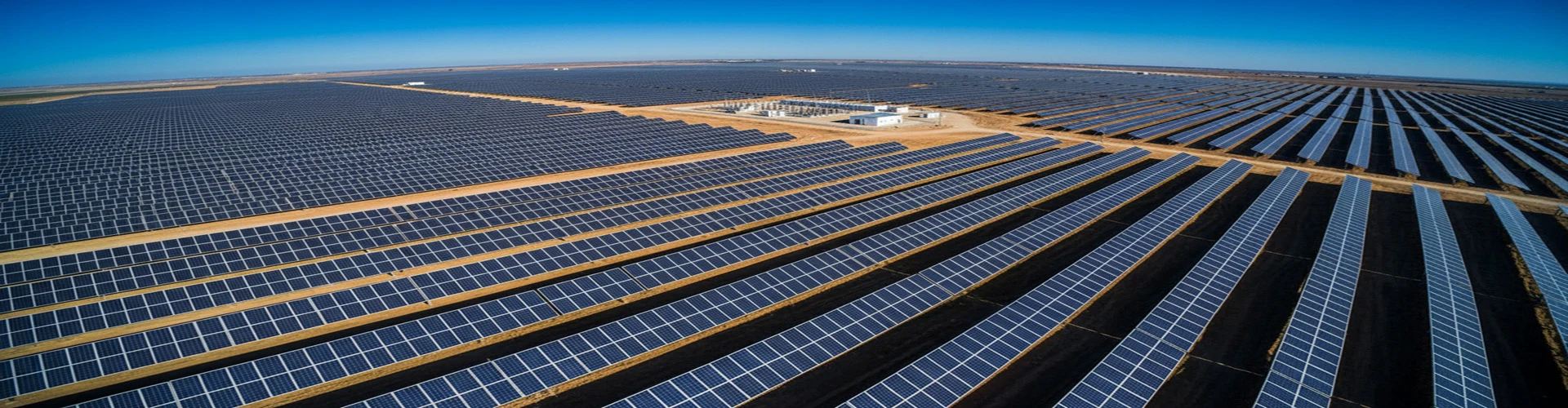
A solar photovoltaic plant has a carbon payback period — typically 1 to 3 years depending on technology and grid mix — after which it generates electricity with near-zero operational emissions for 25 to 30 years. For an industrial or commercial operator, replacing grid electricity with self-generated solar is one of the few Scope 2 interventions with a measured, auditable, financially positive result. It is not a marketing claim. It is an engineering outcome.
The Honest Answer
Carbon neutrality is achievable — but only through actual emissions reduction, not offset accounting. For most industrial operators, the path starts with measuring what you actually emit, then reducing the largest sources systematically. Solar self-consumption addresses electricity, which is often the largest single controllable Scope 2 source. Start there. Measure it. Then move to the harder problems.