

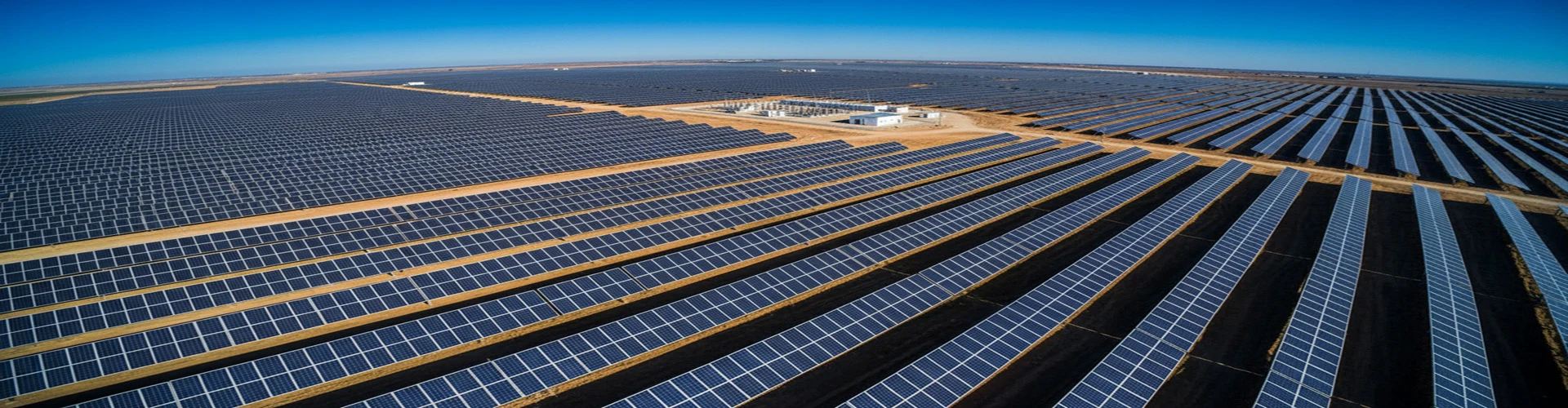
Artificial intelligence is entering the clean energy sector at scale. From yield prediction models that forecast solar production to grid-balancing algorithms that dispatch storage in real time, the tools are genuinely powerful. But the question is worth asking seriously: does AI accelerate the energy transition, or does it introduce new forms of waste that undermine it?
Where AI Genuinely Helps
Predictive maintenance on solar plants is one of the clearest wins. An algorithm trained on inverter telemetry can flag a string underperformance weeks before a manual inspection would catch it — reducing downtime and extending equipment life. PVsyst and similar tools already use statistical models to sharpen yield simulations. The next step, AI-assisted site selection that analyses satellite imagery, terrain data and grid proximity simultaneously, is already being deployed at scale by large IPPs.
The Hidden Cost
The energy consumption of large AI models is not trivial. Training a frontier language model consumes electricity equivalent to hundreds of transatlantic flights. Inference at scale — billions of queries per day — requires data centres that are themselves significant consumers of water for cooling and electricity for operation. If that electricity comes from fossil sources, the net environmental benefit of AI-assisted clean energy planning is partially offset by the AI itself.
The Honest Position
AI is a tool. Like any tool in engineering, its value depends on what problem it is applied to and how honestly its costs are accounted for. For solar EPC, the practical applications — yield modelling, fault detection, procurement optimisation — are well-defined problems with measurable outcomes. That is where the discipline is: use the tool where it improves the measured result, and account for its own footprint honestly.