

Solar EPC & Marine Fuel Saving
Frequently Asked Questions
Solar EPC
What does EPC cover?
Engineering, Procurement and Construction — a single turnkey contract covering design, supply, build, testing and commissioning. One price, one schedule, one responsible contractor.
What plant sizes do you build?
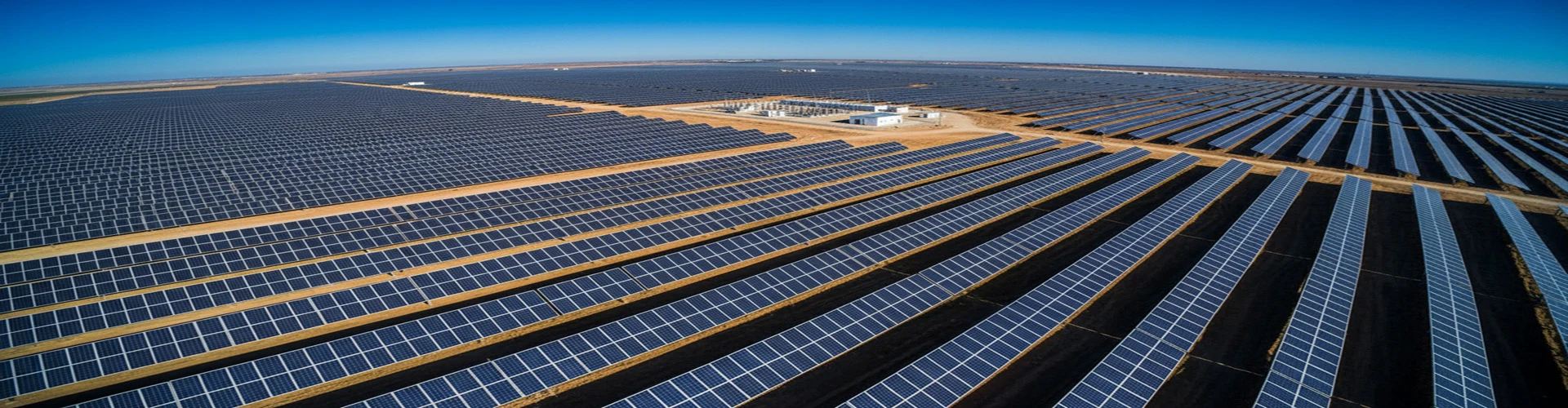
From ~100 kWp rooftop C&I up to utility-scale ground-mount plants. We also build agrivoltaic and greenhouse installations, solar pumping systems and hybrid solar + storage.
Do you handle grid-connection studies and permitting?
Yes, as part of the engineering phase. We prepare connection studies compliant with ONEE and local DSO requirements, and handle the full permitting file for authorities.
Do you offer O&M after handover?
Commissioning, operator training and aftersales support are included. Long-term O&M is scoped on request.
Can you build hybrid solar + storage?
Yes, when the business case supports it.
What is the typical project timeline?
Feasibility study: 2–6 weeks. Full EPC: 4–12 months depending on plant size and grid-connection lead times. We align the civil works schedule to equipment delivery — not the other way round.
Marine Fuel Saving
How does the hydrogen unit save fuel?
It injects on-demand hydrogen into the combustion air, improving combustion quality and lowering specific fuel consumption. No pressurised storage — hydrogen is produced on demand from water.
Do I have to modify my engines?
No. Bolt-on, non-invasive installation. No engine modification required.
Do you manufacture the fuel meters?
We manufacture the hydrogen units in-house. For metering we specify, supply, install and commission marine-grade systems from qualified OEMs.
What savings should I expect?
Depends on engine, load profile and operating hours — the meter measures the actual result. We fit the meter first, run a full baseline season, then fit the saving device and compare.
Why fit a meter if I already know my fuel consumption?
Tank dips at the start and end of a trip are not accurate enough to detect a 5% improvement — and a 5% improvement is exactly what separates a good fuel-saving product from a marketing claim. A marine-grade mass-flow meter on the supply and return lines gives you true net mass consumed.
When is installation done?
During a scheduled dry-dock or alongside call.